


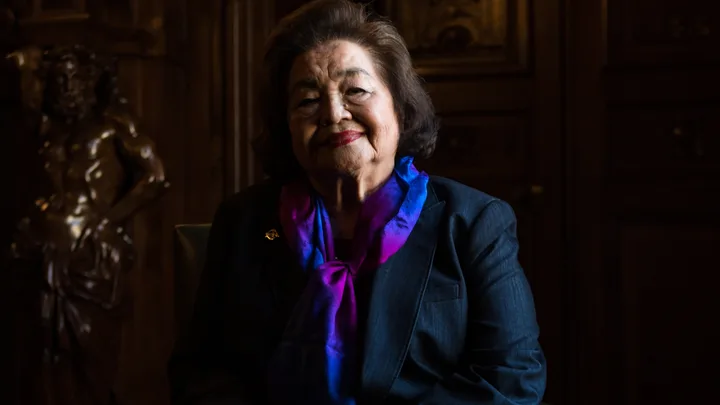
August 6, 1945 is a day that Setsuko Thurlow vividly remembers 80 years on.
On that clear and calm summer morning, she was 13-years-old and starting her first day as a decoding assistant for the Japanese Imperial Army at their headquarters in Hiroshima.
“At 8am we were having our morning assembly where the Major was giving us a pep talk, and in that moment I saw a bluish-white flash outside the window and I suddenly felt like I was floating,” Setsuko, now 93, tells Woman’s Day.
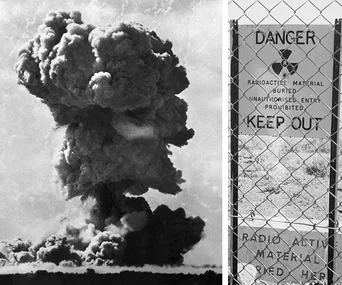
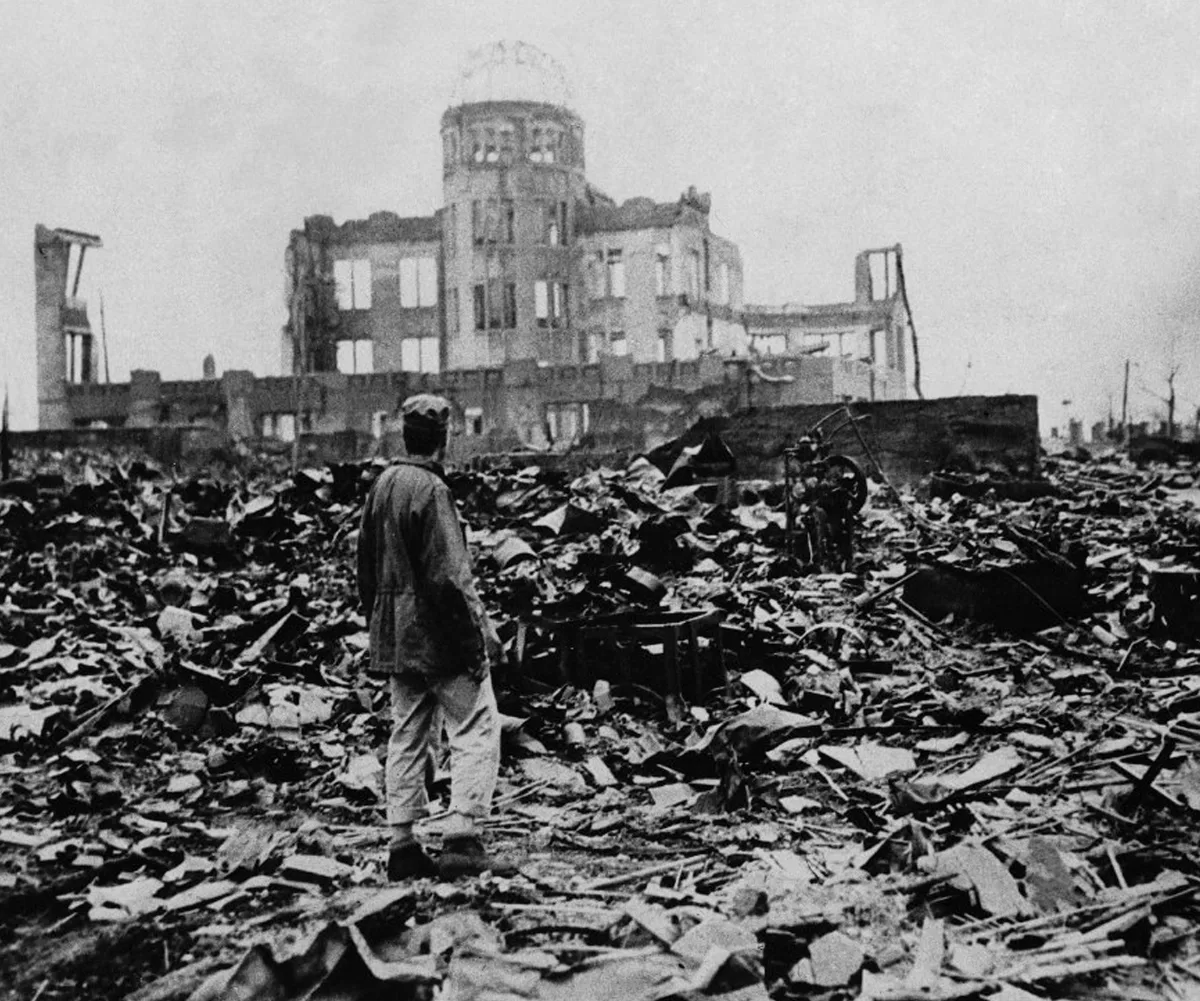
What Setsuko didn’t realise until much later was that intense flash was the first atomic bomb ever used in armed combat by the US, and the weightlessness she felt was the building collapsing around her.
“When I regained consciousness I found myself pinned under the building and I couldn’t move. It was totally dark and silent, and I knew I was faced with death.”
With the help of a solider, Setsuko and two other young women nearby were freed from the building, only to find their city had become a hellscape.
“It was strange, and so quiet. No one was screaming and shouting or asking for help,” says Setsuko, who saw dozens of injured and deceased people as she moved through the city.
On that day, about 70,000 of the 255,000 people in Hiroshima died, while a further 70,000 died by the end of the year.
“I don’t think anybody had the physical or psychological strength left, and they were simply whispering for help.”
RECOVERY EFFORT
While Setsuko was relatively uninjured and her parents survived the bombing, her older sister Ayako and young nephew Eiji were badly burned and died four days later.
“My favourite aunt and uncle survived without any visible injuries, but about a week later, they starting showing purple spots, and they both died a week later,” Setsuko says.
“We later learned they died from radiation poisoning.”
In the days after the bombing, survivors were effectively cut off from healthcare as 90 per cent of the city’s doctors and nurses were killed and 42 of the 45 hospitals were destroyed by the bomb.
Community leaders took charge to help coordinate a recovery effort.
“My church minister looked after 5,000 orphaned children and found volunteers who could take them in,” she recalls.
“Everyone was suffering from homelessness and poverty, and there were no jobs, no food, and medication, and yet still people were kind enough to help others.”
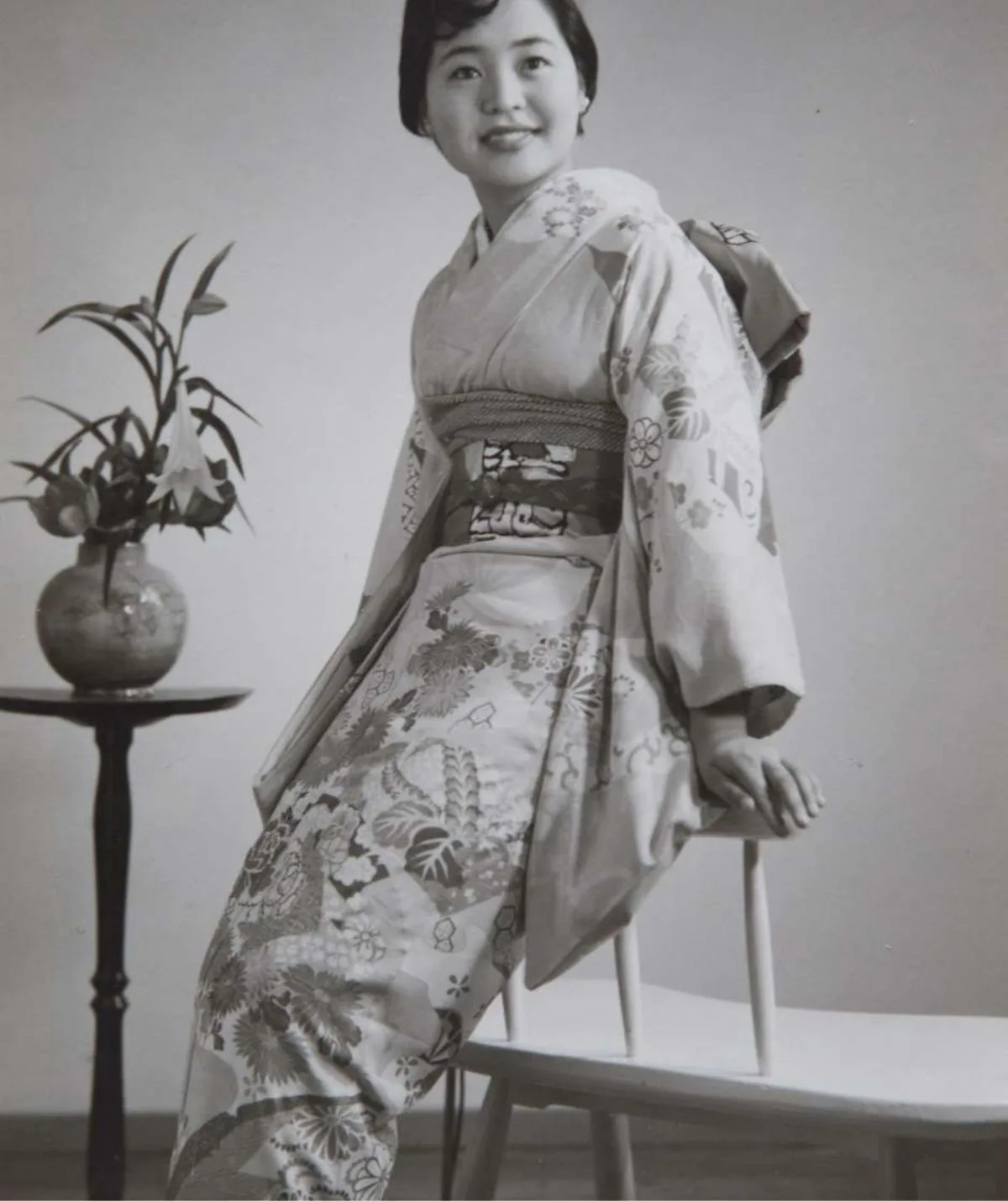
Eventually Setsuko managed to finish her university degree and was given the opportunity to move to the US in 1954.
“That year, the US started testing thermonuclear bombs which were a thousand times more destructive than the one dropped on Hiroshima,” says Setsuko.
And so, the survivor began speaking out against the use of nuclear weapons.
This was not well-received in the US and, ultimately, she decided to move to Canada in 1955 where she met her husband Jim Thurlow, who passed in 2011.
They had two children and Setsuko now has two grandchildren, and still lives in Toronto where she was a social worker for many years.
After 50 years of activism, Setsuko finally saw the UN adopt the Treaty on the Prohibition of Nuclear Weapons in July 2017.
Later that same year, she accepted the Nobel Peace Prize on behalf of the International Campaign to Abolish Nuclear Weapons (ICAN).
“I pledged to my last breath, to dedicate my life to nuclear disarmament,” she says.
Read more of Setsuko’s story in 90 Seconds To Midnight.

