


- When Alexandra experienced persistent stomach bloating for two weeks, she decided to visit her GP
- Her doctor initially suspected an STD, but tests came back negative
- When period pain was suggested as a cause, Alexandra, a nurse, pushed for more testing
- Following an ultrasound, she received a life-changing phone call
- Here, Alexandra Jansen, 30, from Avalon Beach, NSW, shares her story and the important warning she wants others to hear
I clutched my left hip and let out a yelp.
“Are you okay?” my boyfriend, Ryan, asked.
“No,” I whimpered and lay down on the couch. “I’ve been feeling bloated the last week or two and now I’ve just had a sharp, shooting pain.”
“You should get that checked,” he said, his brow furrowed with concern.
Read more: Dancing through my cancer diagnosis made me famous!
It was a Saturday so I made an online appointment to see a GP on the Monday.
By then, the pain had subsided but the bloating had become worse.
The GP thought it was an STD and ran a urine test which came back negative. Then she suggested it was period pains.
I’m a nurse and knew my own body. I asked for a blood test and a pelvic ultrasound, and the GP agreed to refer me.
Straight after my ultrasound, I was about to get into my car in the parking lot when my phone rang.
“You need to go back in right now,” the GP said.
They’d discovered a 10cm mass on my pelvis.
At first, they thought it was an ectopic pregnancy, where a fertilised egg implants and grows outside the uterus. Then they thought I had pelvic inflammatory disease, so they went in through keyhole
surgery.
But when it was still unclear what the mass was, they did a biopsy.
“It’s ovarian cancer,” the surgeon said. “It’s shocking as you’re so young.”
It’s more common in women over 50, and I was only 27.
With shaking fingers, I called Ryan, who was still parking the car.
Together, we phoned my parents, John and Ann, who live in the US.
“We’ll get there as soon as we can,” Mum said.
But it was November 2020 and we were in COVID lockdown so they had to quarantine for two weeks and missed my surgery.
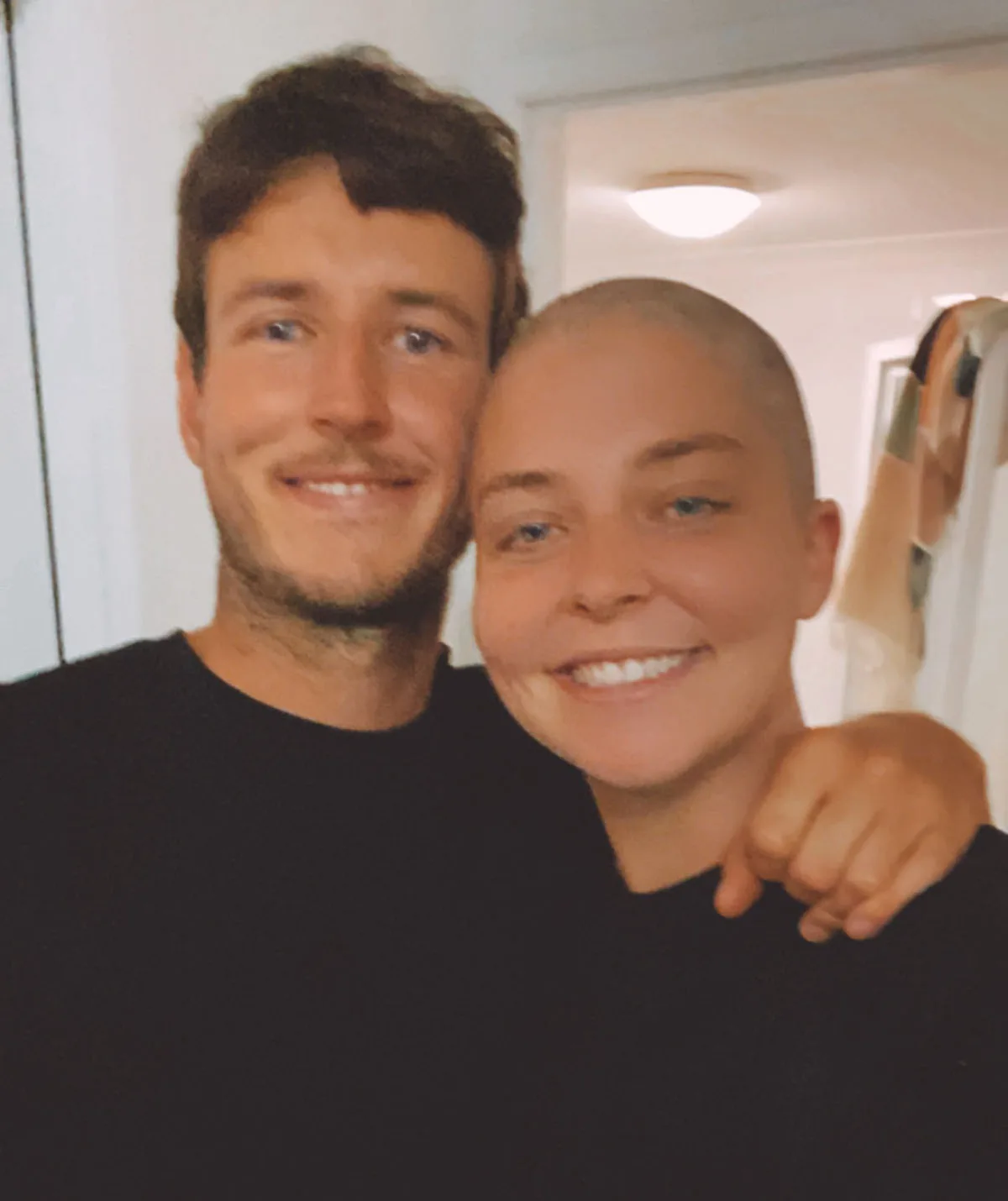
The cancerous mass was removed, along with my left ovary, and I froze six eggs in case my treatment affected my chances of getting pregnant.
After that, I had an allergic reaction to chemo and had to go on a high dose of steroids which made me put on a lot of weight.
Nerve pain left me barely able to walk and I got angry and tired.
“You should leave me,” I said to Ryan when I was at my lowest point.
“Don’t be silly,” he replied.
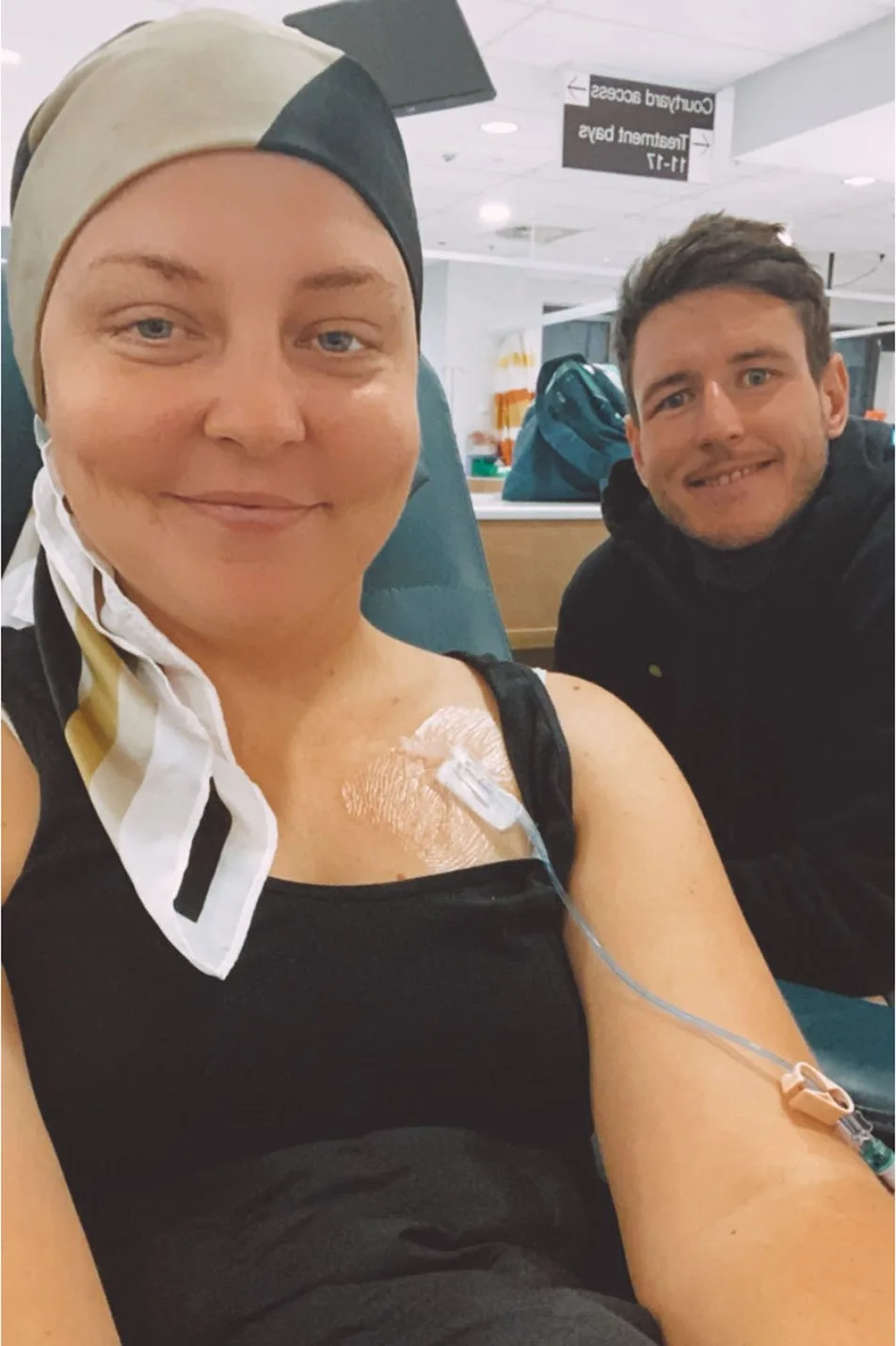
After six months, I was declared in remission, but within a couple of weeks I was bloated again.
At the time, Ryan had COVID and was isolating in a cottage in our yard when I felt the same sharp pain on my right side.
I knocked on his window in tears.
“It’s back,” I said.
“I’ll call my parents,” he replied. His mum, Claire, took me to hospital where it was confirmed the cancer was back but in my right ovary this time.
I opted to have a full hysterectomy.
“Take it all out,” I said, wanting the cancer gone. “I’ve got eggs frozen.” It meant I’d need a surrogate if I wanted to have a baby.
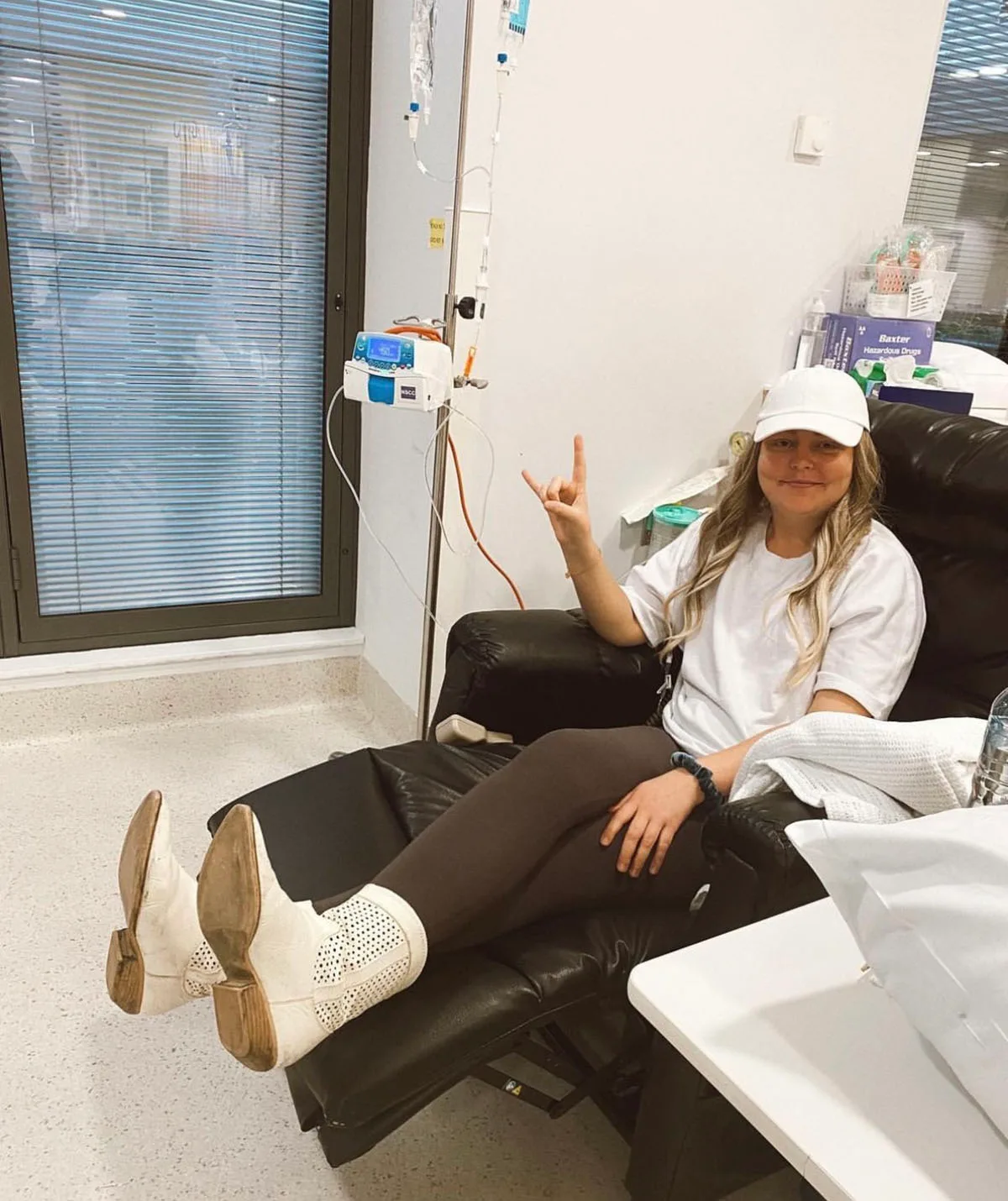
Chemo, followed by immunotherapy, knocked me around. I struggled to get out of bed and couldn’t find joy in anything.
“You need to get outside and live your life,” Ryan said.
“I don’t want to,” I replied.
“I know,” he said. “But you have to.”
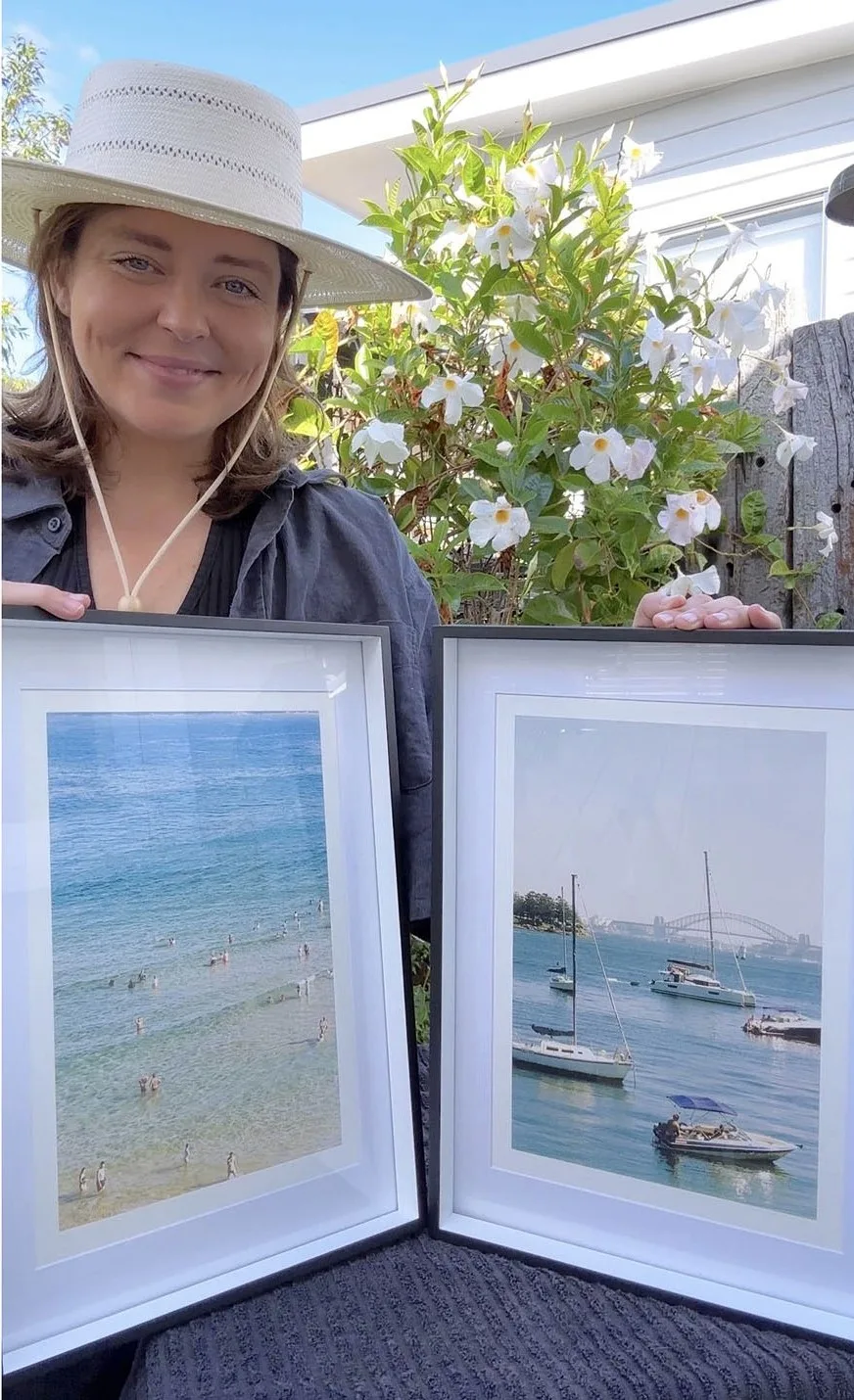
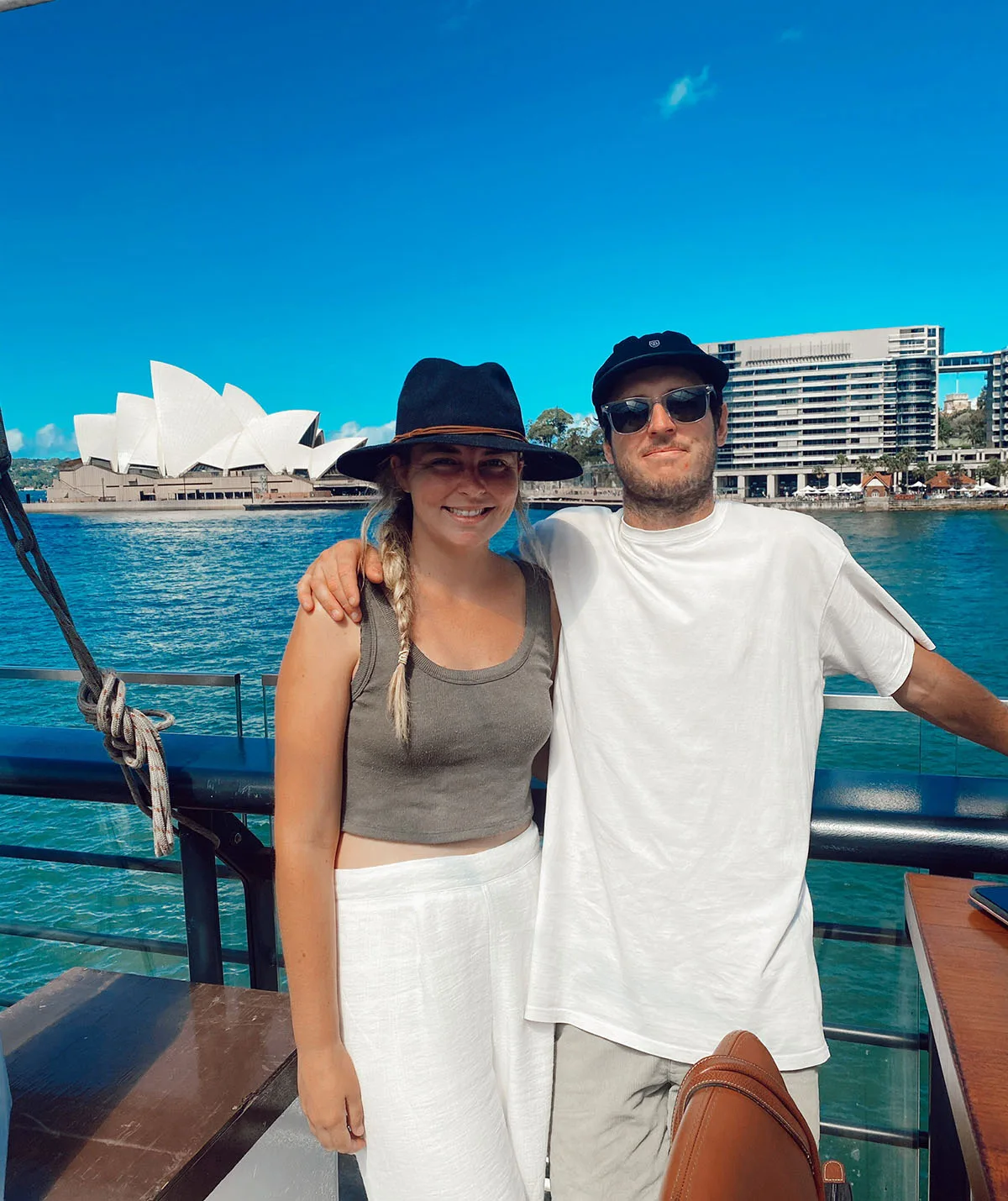
So, I wrote a list of the little things that brought me peace, like watching the surf and sitting along Sydney Harbour. Then, I took my film camera out to capture those moments.
Slowly, my list grew, and I started looking forward to my photography sessions.
The pics turned out great.
“You could sell these,” Ryan said, admiring one where the light looked pretty on the waves.
I set up a website and marketed on TikTok, and was thrilled when people around the world started buying my prints.
Now, I’m donating 10 per cent of profits to ovarian cancer research.
I’ve been cancer free for over a year and I’m feeling hopeful again.
I want other women to know that pap smears are crucial, but they don’t detect ovarian cancer.
Stay tuned to your own body and push for tests if anything doesn’t feel right.
What are the early warning signs of ovarian cancer?
● About 1815 Aussies with ovaries are diagnosed with ovarian cancer each year and about 1000 people die annually.
● Seventy per cent of cases aren’t diagnosed until the cancer is in the advanced stages and has spread.
● Symptoms include bloating, pelvic pain, feeling full and needing to urinate often.
● Always listen to your body, trust your instincts and get a second opinion.
For more information on women’s health and ovarian cancer, visit Jeanhailes.org.au

