From adolescence to early adulthood, our bodies go through all kinds of dramatic changes, growth spurts, hormonal surges, and everything in between.
Then, for a while, usually between our 20s and 40s, things tend to settle. Our bodies find a rhythm, and many of us assume the big changes are behind us.
But then comes perimenopause and, eventually, menopause – ushering in yet another major shift, often with little warning and a lot of confusion.
So, what happens during perimenopause to the body?
Hormones that have been going steady since puberty begin to drop, the ovaries begin to wind down, and the body prepares to embark on a new journey – you guessed it, perimenopause and menopause.
The enigma about perimenopause, though, is often the signs aren’t always crystal clear, and every woman’s experiences are unique.
Here we’ve outlined three of the more common perimenopause signs.
Dry skin
We tend to often attribute our dry skin to a change in season, but what you may not realise is that it could actually be a sign of perimenopause or menopause. During these changes, the skin experiences a steady decline in fibroblast activity, which causes it to regenerate more slowly, leading to deeper wrinkles and a slackening of the skin.
Tip: Invest in a quality moisturiser, which will minimise dryness and maintain the elasticity of your skin. Something like the Clarins Super Restorative Day & Night Cream For Dry Skin will work to smooth and nourish the skin, preventing it from feeling rough and dry.

Hot flashes
When you hear the word ‘menopause’, it’s more than likely that hot flashes are the first thing that comes to mind. That’s because they’re one of the most common early signs of peri- and menopause. Hot flushes occur because the body is producing less oestrogen, which helps the brain regulate body temperature. In other words, a hot flash is actually the brain’s way of cooling down what it believes to be an overheated body.
As for what it feels like? Well, it can differ from woman to woman, but a hot flash can generally be described as a warm, tingling sensation and can last anywhere from 30 seconds to 5 minutes.
Your face and neck may turn red, your heart rate may increase, and you will most likely break out in a feverish sweat. Not only can the severity of hot flashes vary for each person, but they can strike anywhere, any time and often without warning. The same thing can be said for cold sweats, but the only difference is you’re asleep and are jolted awake by the heat consuming your body.
Mood swings
Intense emotions. One minute you’re laughing, the next you’re crying, and before you know it, you’re on an emotional rollercoaster ride that feels like it’s never going to end.
What many women don’t realise is that it’s actually very normal to experience mood swings, sadness or even feelings of anger during menopause. Your oestrogen and progesterone levels are falling, so naturally, this imbalance of hormones can sometimes cause your feelings to fluctuate.
While many women dread perimenopause, it can be a very positive time and a pivotal moment in life. Remember to be kind to yourself throughout it all and embrace the changes that lie ahead.
Supporting your body through perimenopause
Navigating perimenopause can be challenging, but small lifestyle changes can make a meaningful difference. Many women also find that natural supplements can offer additional support during this transition.
Happy Mammoth, an Australian wellness brand, offers Hormone Harmony, a supplement formulated with a blend of plant-based ingredients traditionally used to support hormonal health. While individual experiences may vary, some women have reported benefits such as improved sleep quality and mood stabilisation.
As with any supplement, it’s essential to consult with a healthcare professional before starting to ensure it’s appropriate for your individual health needs.
Woman’s Day’s top Happy Mammoth picks
Always read the label and follow the directions for use.

Hormone Harmony
$84.99 $89.99
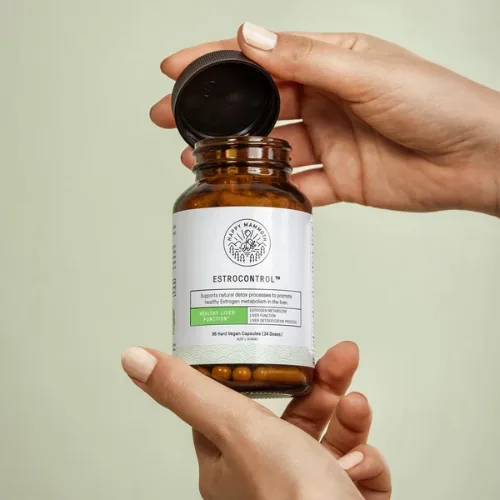
EstroControl
$84.99 $89.99

Prebiotic Collagen Protein
$69.99 $79.99
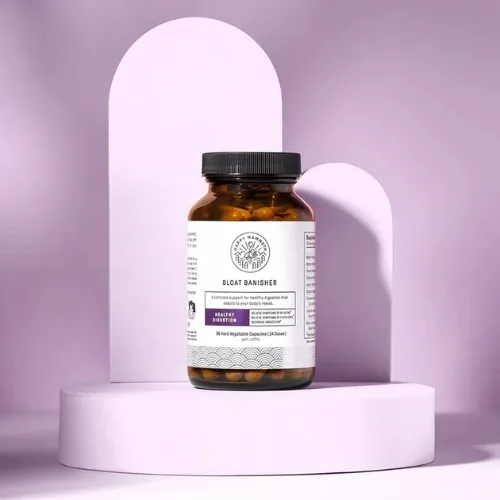
Bloat Banisher
$84.99 $89.99

Related stories

Native ad body.

Native ad body.




Native ad body.