



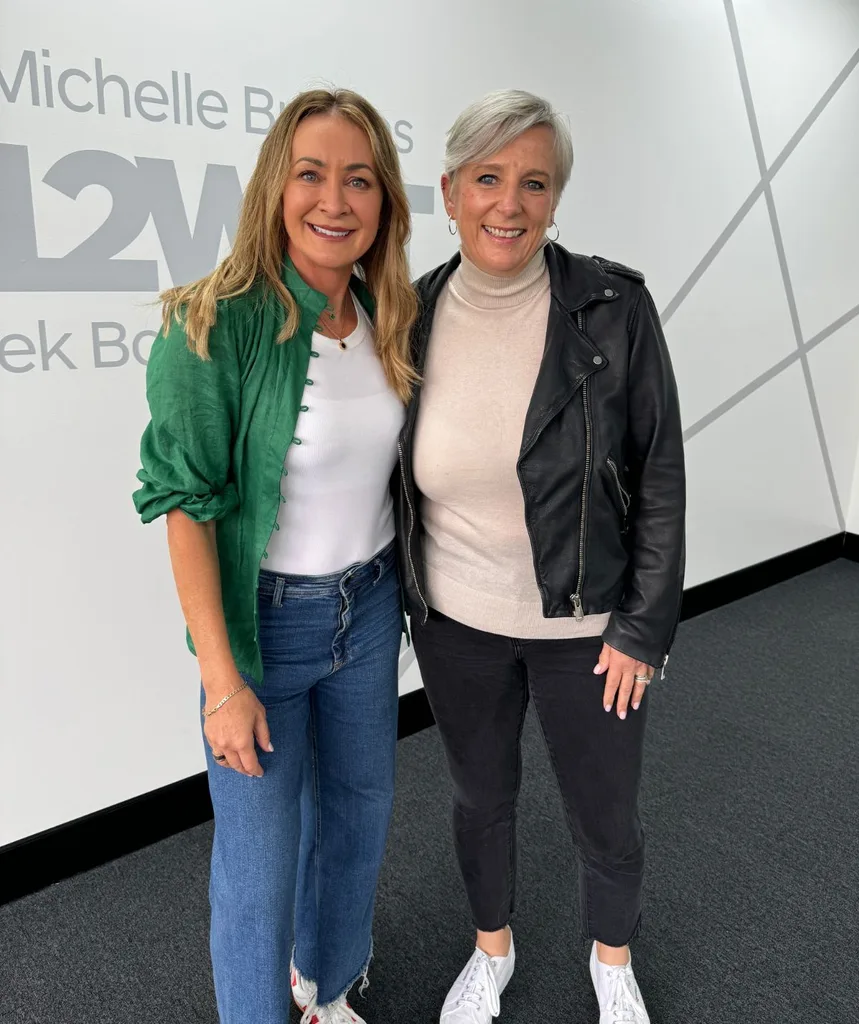
While the conversation around perimenopause is changing, many women still often feel blindsided through lack of information. When celebrity trainer Michelle Bridges began experiencing symptoms five years ago, it was a condition that very few of us had even heard of.
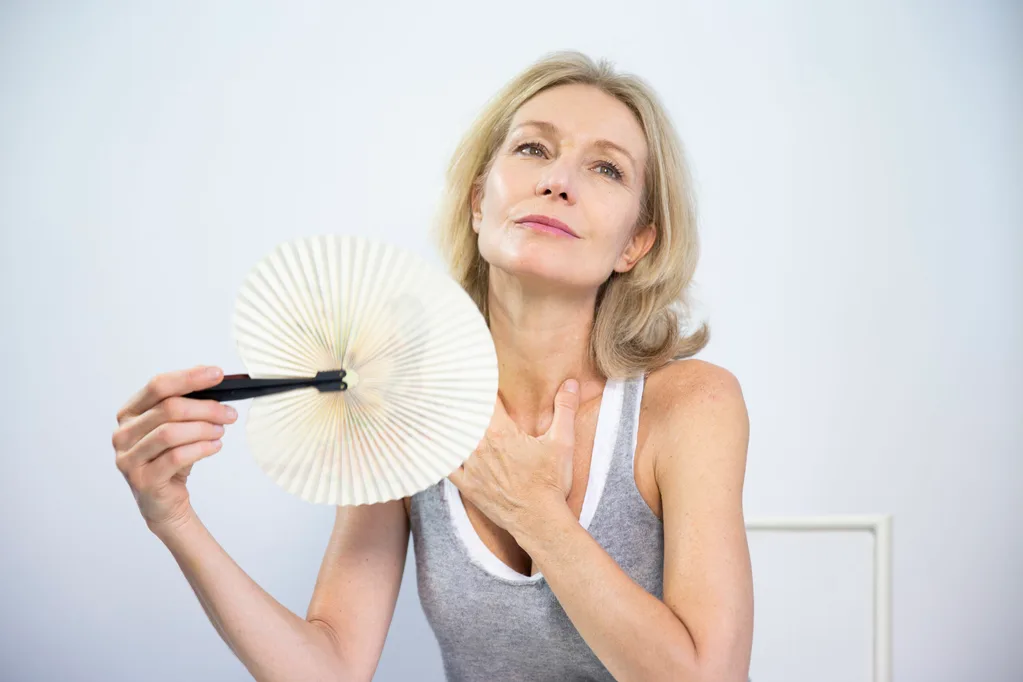
“I was waking up drenched in sweat, my hip ached, my ears were ringing and a good night’s sleep seemed like a far distant memory,” she recalls.
Through her own research, Michelle realised her symptoms aligned with perimenopause, the phase leading up to the final change known as menopause.

Taking control
“I didn’t even know that it was a thing,” Michelle admits. “That’s when I knew that I needed to create something to empower women to proactively manage menopause, avoiding the confusion and struggle and safeguarding their long-term health.”



Now the 12 Week Body Transformation (12WBT) founder is on a mission to break the silence around perimenopause and menopause, with her new program The Perimenopause Method, along with her podcast We Have A Situation, Here, Michelle tells Woman’s Day about her mission to empower women.
What was the inspiration for starting The Perimenopause Method?
Honestly, it was a bit of a perfect storm! For ages, my members had been asking for something focused on menopause. Then, lockdown hit, giving me time to dive into research. But the real kicker? I started getting these mysterious symptoms myself.
After a visit to my GP it turned out that my cholesterol was up, and my vitamin D was rock bottom (classic perimenopause signs). My doctor suggested antidepressants. So, I did my own digging, and bam – perimenopause.I didn’t even know that it was a thing.
Do you think that menopause is still misunderstood?
Absolutely – it’s still so misunderstood. I was recently speaking at a ladies luncheon, and even though I live and breathe this stuff, I realised how taboo it still is. Even just talking openly about menopause and periods was a shock to some of them.
So many women are still worried about outdated information, like Hormone Replacement Therapy (HRT) causing breast cancer. We’ve definitely started the conversation, but we’ve got a long way to go. We need to get the right information out there so women know what support is available.
What has the reception been like since opening up about your experience?
It’s been amazing! Overwhelmingly positive and supportive. Women are just hungry for information.
They’re shocked by how little research has been done, and they’re hungry to learn. Because of the shame and taboo surrounding it, most women are in the dark about symptoms and how early they can start.

Have your perceptions of menopause changed in any way since you began your podcast?
I’ve been knee-deep in this research for years, and I’m still constantly blown away! But if I had to pick one thing, it’s bone density – how quickly we start losing it and how serious osteoporosis can be.
Hip fractures are particularly dangerous, especially for older adults. And it’s largely preventable with enough exercise, calcium and protein. We can change our future health just by making smart choices now.
Can perimenopause have an impact on our eating and exercise habits?
Oh, absolutely! Sleep goes haywire in perimenopause, which throws everything off. You’re tired, moody and suddenly, exercise and healthy eating feel almost impossible.
It’s crucial to prioritise sleep. Mood changes can also make it hard to stay motivated. It’s really a holistic thing – you need to look at lifestyle, nutrition, sleep, exercise and find a doctor who actually understands perimenopause and can talk about HRT. You’ve got to become the CEO of your own health.
Are there any workouts you recommend?
Yes! Lift heavy weights – I’m talking challenging weights, not those little 2kg dumbbells. Build that muscle and bone! Add in some jump training, like skipping or box jumps, if you can.
And don’t forget sprint training, such as HIIT sessions on a treadmill or rower. Even just 10 minutes tacked onto the end of your weight session every other day will make a huge difference.
What role can community play in supporting women who are going through the change?
The more we know, the better we can support each other and education is key. Providing safe spaces for shared experiences and offering resources for symptom management are essential.
Advocating for accommodation at work is vital. We’re losing valuable female talent and expertise from the workforce – a huge loss that impacts every level of our society.

Is it time that we reframed the way we look at life after menopause?
Of course! Menopause has always been talked about in a negative way. We need to flip the script. Perimenopause can start as early as 35, which surprises most people.
Our 40s can often be our peak, career and family-wise, so society really needs to support women going through this natural transition. I see it as a real crossroads, an opportunity to take control and prioritise yourself. When women put themselves first, it’s empowering!
The first round of The Perimenopause Method begins on April 7th, 2025, and a new round of the program will start each month. Visit 12wbt.com/the-perimenopause-method/

